


Looking For Peace In Lubbock? Faith-Based Coaching Creates Stability
Most people think peace is something you stumble into. A lucky break. A quiet weekend. Maybe a vacation that actually sticks. But real stability doesn't come from circumstance—it comes from foundation. And in Lubbock, where faith runs deep and community matters, more residents are finding that foundation through faith-based counseling and coaching. Not therapy. Not a sermon. Something in between that actually works.
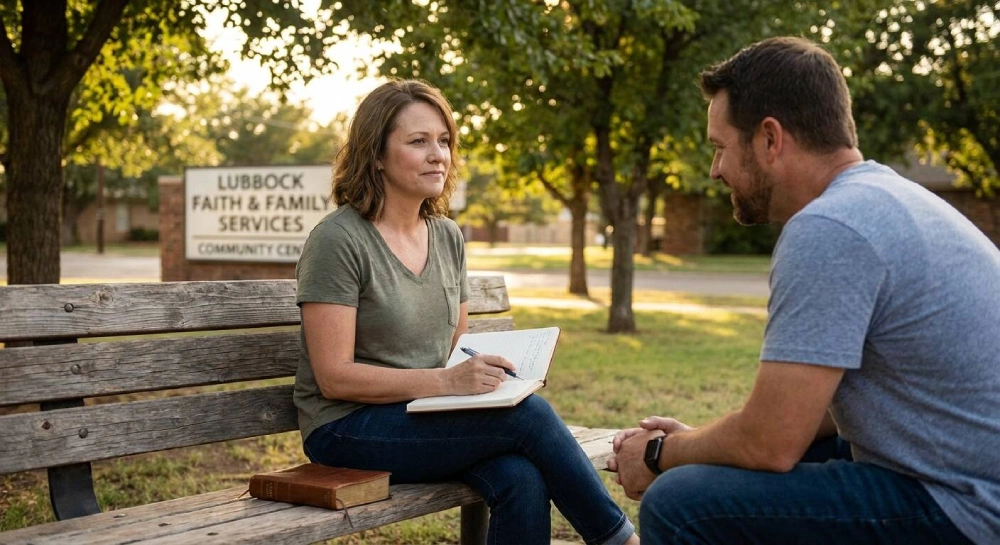
This isn't about fixing what's broken or pretending everything's fine. It's about building something solid underneath the chaos. Faith-based coaching takes what you already believe and turns it into a framework for decision-making, stress management, and long-term clarity. If you've been spinning your wheels or second-guessing every move, this might be the reset you didn't know you needed.
What Faith-Based Coaching Actually Is
Faith-based coaching blends spiritual principles with real-world strategy. It's not counseling, and it's not preaching. It's a structured process where someone trained in both coaching techniques and faith integration helps you map out where you are, where you want to be, and what's standing in the way. The difference? Every conversation is grounded in the values you already hold—scripture, prayer, belief in purpose—so the guidance doesn't feel foreign or forced.
In Lubbock, where faith is woven into daily life, this approach resonates. You're not being asked to adopt a new philosophy. You're being helped to live out the one you already claim. Whether you're navigating a career shift, a relationship struggle, or just a season of uncertainty, Christian life coaching in Lubbock gives you tools that align with your worldview. And that alignment is what creates traction.
Why Stability Feels Out of Reach
Life moves fast. Work piles up. Family needs shift. Financial pressure builds. And somewhere in the middle of it all, you lose the thread. You're reacting instead of responding. Surviving instead of thriving. The problem isn't that you're doing something wrong—it's that you're doing everything without a filter. Without a framework to decide what matters and what doesn't.
In Lubbock, there's also the weight of expectation. Family traditions. Church involvement. Community reputation. Those things matter, but they can also create pressure to perform or conform. When you're trying to meet everyone's expectations, including your own, peace becomes a luxury you can't afford. Faith-based coaching in Lubbock helps you sort through the noise and figure out what's actually yours to carry.
How Coaching Builds a Foundation
Faith-based coaching doesn't hand you a checklist and call it a day. It walks you through a process of discovery, accountability, and intentional action. You start by identifying what's causing the instability—whether that's internal conflict, external pressure, or a lack of direction. Then you work with your coach to build a plan that's rooted in your faith and tailored to your life.
Here's what that process typically includes:
- Clarifying Core Values: You can't make good decisions if you don't know what you stand for. Coaching helps you name your non-negotiables and align your choices with them.
- Setting Faith-Aligned Goals: Instead of chasing what looks good on paper, you pursue what reflects your calling and purpose.
- Developing Resilience Practices: Prayer, gratitude, scripture reflection—these aren't just spiritual habits. They're tools for managing stress and staying grounded.
- Improving Relational Health: Faith traditions emphasize forgiveness, humility, and service. Coaching helps you apply those principles in real relationships.
- Creating Accountability Structures: It's easy to set goals. It's harder to follow through. A coach keeps you on track without judgment.
What Sessions Look Like in Practice
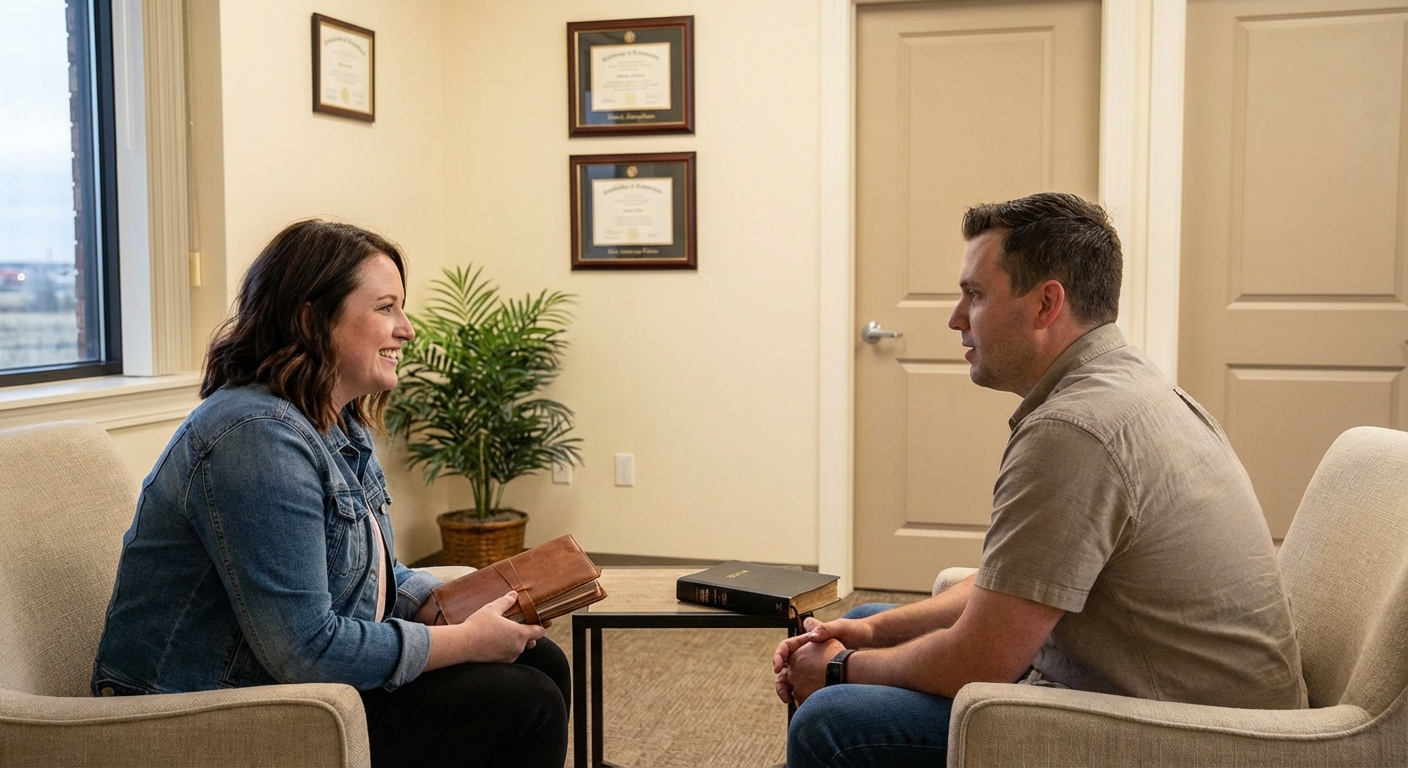
Faith-based coaching in Lubbock can take different forms. Some coaches offer one-on-one sessions, either in person or virtually. Others run group sessions or weekend intensives. The format matters less than the fit. You want someone who understands your faith background, respects your pace, and knows how to ask the right questions.
Sessions often include prayer, scripture discussion, and practical exercises. You might work through a decision-making framework, identify limiting beliefs, or map out a plan for a specific challenge. The tone is collaborative, not prescriptive. You're not being told what to do—you're being guided to figure it out for yourself, with faith as the anchor.
Common Areas Where Coaching Makes a Difference
Faith-based coaching isn't just for people in crisis. It's for anyone who wants to live with more intention and less friction. That said, there are a few areas where coaching tends to have the biggest impact. Career transitions. Marriage struggles. Parenting challenges. Financial stress. Grief and loss. These are the moments when people realize they need more than advice—they need a process.
Here's where we see the most traction:
- Career Clarity: Figuring out whether to stay, pivot, or start something new—and doing it in a way that honors your calling.
- Relational Repair: Rebuilding trust, improving communication, and learning to lead with grace instead of frustration.
- Emotional Regulation: Managing anxiety, anger, or overwhelm through faith-based practices that actually work.
- Purpose Discovery: Moving from "What do I do?" to "Why am I here?" and letting that answer shape your decisions.
- Boundary Setting: Learning to say no without guilt and yes without resentment.
Who Benefits Most from This Approach
Faith-based coaching works best for people who already have a faith foundation and want to integrate it more fully into their lives. If you're someone who prays but doesn't always know how to apply your faith to daily decisions, this is for you. If you're feeling stuck between what you believe and how you're living, this is for you. If you're tired of advice that sounds good but doesn't fit your values, this is for you.
It's also effective for people who've tried other forms of support and felt like something was missing. Traditional therapy focuses on healing. Secular coaching focuses on performance. Faith-based coaching focuses on alignment—bringing your beliefs, your actions, and your goals into the same lane. That's where stability lives.
Finding the Right Coach in Lubbock
Not all faith-based coaches are the same. Some have formal training in ministry or counseling. Others come from business or education backgrounds and have added faith integration to their practice. What matters most is that they understand your faith tradition, respect your autonomy, and have a track record of helping people create real change.
Here's what to look for when choosing a coach:
- Credentials and Training: Ask about their coaching certification and any theological or pastoral training they've completed.
- Approach and Philosophy: Make sure their style aligns with your needs—some coaches are more directive, others more exploratory.
- Testimonials and References: Look for feedback from people who've worked with them and seen results.
- Chemistry and Fit: You need to feel comfortable being honest. If the first conversation feels off, keep looking.
- Availability and Structure: Confirm how often you'll meet, how long sessions last, and what kind of support is available between sessions.
What Happens After You Start
The first few sessions are usually about assessment. Your coach will ask questions to understand where you are, what's working, and what's not. From there, you'll co-create a plan. That plan might include weekly check-ins, specific action steps, and practices to reinforce what you're learning. Progress isn't always linear, but it is measurable. You'll notice shifts in how you think, how you respond, and how you feel about your life.
Over time, the goal is for you to internalize the process. You won't need your coach forever. But while you're working together, you'll build habits, frameworks, and confidence that stick. That's the difference between a quick fix and a lasting foundation.
Why This Works When Other Things Don't
Faith-based coaching works because it doesn't ask you to compartmentalize. You don't have to check your beliefs at the door or pretend your faith doesn't matter. Instead, it becomes the lens through which you evaluate everything else. That integration creates coherence. And coherence creates peace.
It also works because it's action-oriented. You're not just talking about your problems—you're building solutions. You're not just hoping things get better—you're making decisions that move you forward. And you're doing it with someone who's trained to keep you accountable, challenge your assumptions, and celebrate your progress.
Taking the First Step Without Overthinking It
If you've been waiting for the perfect time to reach out, stop. There's no perfect time. There's just now. Christian life coaching helps you find your purpose isn't about having it all together before you start—it's about getting support so you can actually get there. Whether you're dealing with a specific challenge or just feeling off-course, a coach can help you find your footing again.
In Lubbock, you don't have to navigate this alone. The community is here. The resources are here. And the peace you're looking for? It's closer than you think. You just need the right framework to build it—and the courage to take the first step.
Let’s Build Your Foundation Together
We all want a life that feels steady, meaningful, and true to our faith. If you’re ready to move from uncertainty to clarity, let’s take that next step as a team. Reach out to us at 806 283-8586—we’re here to listen, guide, and walk alongside you. When you’re ready to start building real stability, book an appointment and let’s begin this journey together.
‹ Back
Recent Posts
-
-
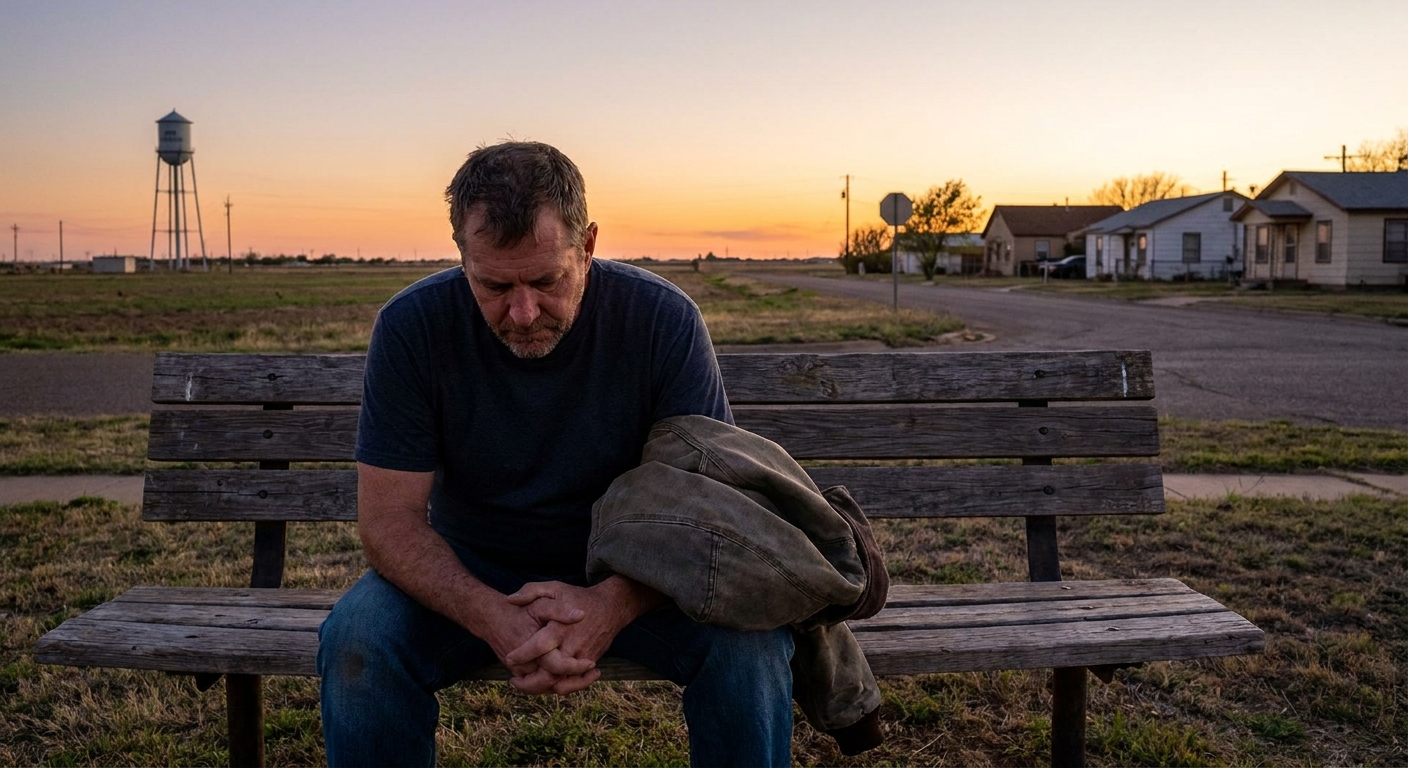
Are You Having a Hard Time Letting Go of Guilt in Wolfforth?
October 1, 2026
-
Can Faith-Based Coaching in Slaton Help You Build More Confidence?
September 17, 2026
-
When Should You Reach Out for Christian Marriage Coaching in Wolfforth?
September 3, 2026
-
Do You Feel Disconnected From Your Purpose in Slaton?
August 20, 2026