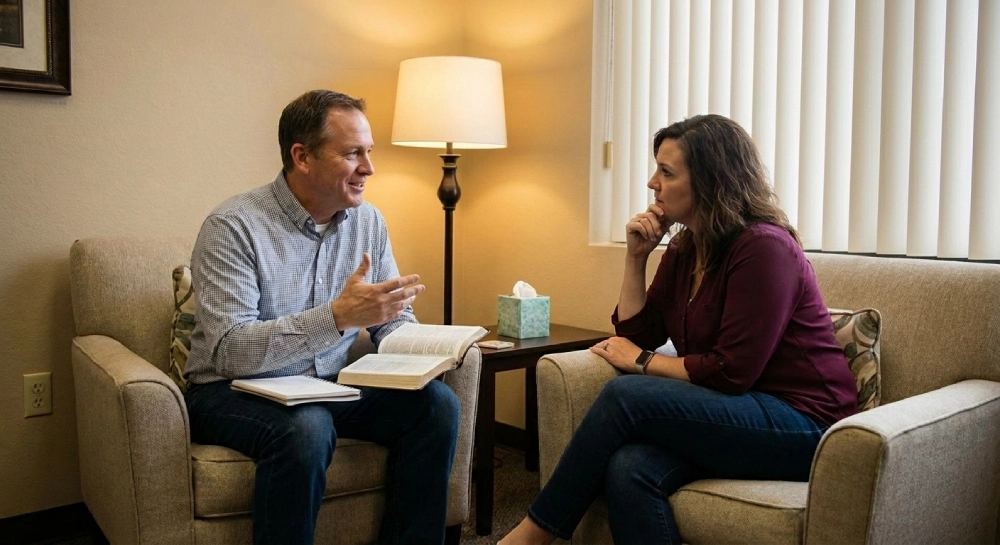


Faith-Centered Coaching Helps With Loneliness In Lubbock
Most people think loneliness is just about being alone. It's not. You can sit in a crowded room and still feel invisible. You can attend church every Sunday and walk out feeling like nobody really knows you. Lubbock's got plenty of friendly faces and tight-knit neighborhoods, but that doesn't mean everyone's connected. And if you're struggling with isolation, pretending it's not happening won't fix it. Faith-based counseling coaching cuts through the surface and gets to what's actually missing—purpose, belonging, and a real sense that you matter.
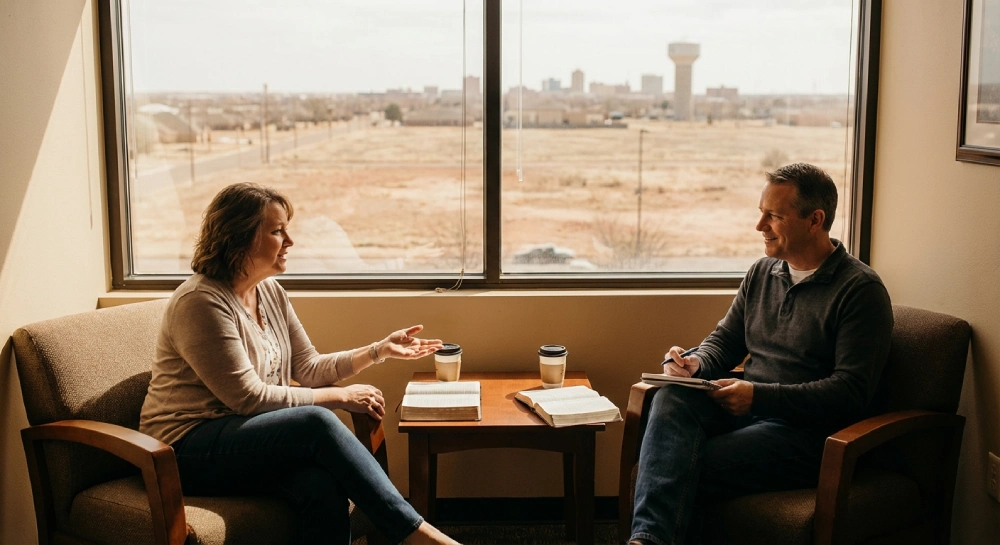
We're not talking about generic advice or feel-good platitudes. This is about integrating what you believe with how you live. It's about using your faith as the foundation for building relationships that stick and finding meaning when everything feels hollow. Loneliness doesn't care about your zip code or how many people you know. It shows up after loss, after moves, after life shifts you didn't see coming. And in a city like Lubbock, where distances stretch and routines can feel repetitive, it's easy to drift into isolation without even realizing it.
When Being Around People Isn't Enough
You can show up to every event and still go home feeling empty. That's because loneliness isn't always about physical presence—it's about emotional and spiritual disconnection. Faith-centered coaching addresses that gap by focusing on the whole person. We're not just looking at your social calendar or your mental health checklist. We're examining your relationship with God, your sense of purpose, and whether you're living in alignment with what you actually believe.
This approach works because it doesn't treat loneliness like a problem to solve with more activities. It treats it like a signal that something deeper needs attention. Maybe you've lost touch with your faith community. Maybe you're carrying shame or unworthiness that keeps you from reaching out. Maybe you've been so busy surviving that you forgot what it feels like to truly connect. Christian life coaching helps you identify those barriers and dismantle them—one conversation, one prayer, one intentional step at a time.
What Faith-Centered Coaching Actually Does
This isn't therapy, and it's not a sermon. It's a structured process that uses your spiritual beliefs as a lens for personal growth. Coaches help you explore what's keeping you stuck and what's possible when you align your actions with your values. The goal is to move you from isolation to connection—not just with other people, but with yourself and with God.
Here's what that looks like in practice:
- Identifying thought patterns that reinforce isolation, like believing you're not worthy of friendship or that nobody understands you
- Developing spiritual practices that foster connection, such as prayer, scripture study, or reflective journaling
- Setting small, actionable goals for reaching out—attending a community group, volunteering, or simply starting a conversation
- Challenging beliefs that keep you from showing up authentically in relationships
- Building accountability so you don't slip back into old habits
Lubbock's Got the Resources If You Know Where to Look
Lubbock's faith community is strong, and there are more resources than most people realize. Churches, ministries, and faith-based organizations across the city offer coaching, mentoring, and support groups designed to help people reconnect. Many of these programs are led by individuals who've walked through loneliness themselves and understand what it takes to come out the other side.
The key is finding the right fit. Not every coach or program will resonate with you, and that's okay. What matters is that you're willing to take the first step. Whether it's through a formal coaching relationship or a group session at your church, the act of showing up is what breaks the cycle. And once you're in, you'll find that the network of support extends far beyond what you expected.
Gratitude and Service Flip the Script
One of the most effective tools in faith-centered coaching is shifting your focus outward. When you're stuck in loneliness, it's easy to spiral inward—obsessing over what you don't have, who doesn't doesn't call, why you feel left out. Coaches help you break that pattern by encouraging gratitude and service. It's not about ignoring your pain. It's about recognizing that you still have something to offer, even when you're hurting.
Service creates connection in ways that passive participation never will. When you volunteer at a food bank, help with a church outreach program, or simply check in on a neighbor, you're building relationships through action. You're also reminding yourself that you matter—that your presence makes a difference. In Lubbock, opportunities for service are everywhere. The question is whether you're willing to step into them.
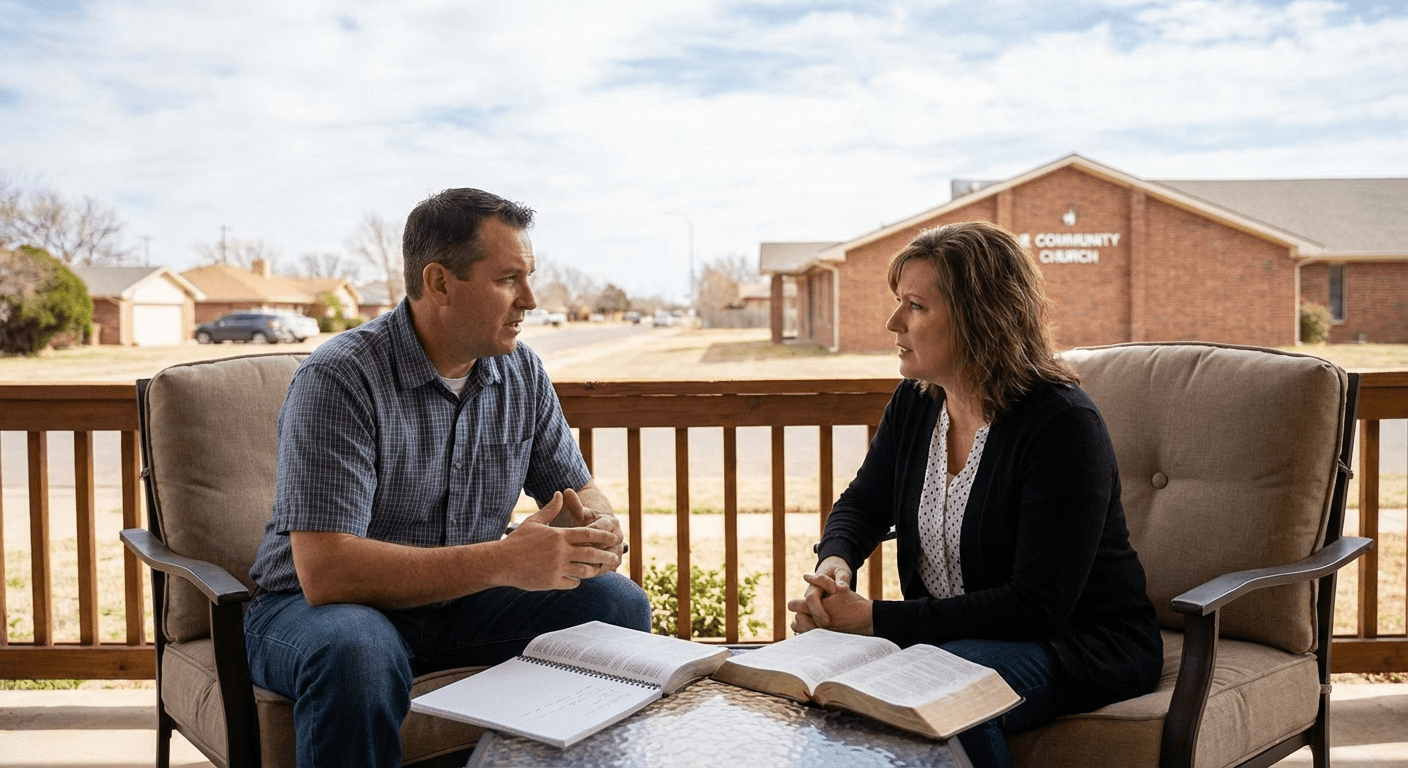
Where Most People Get Stuck
Loneliness thrives in silence. The longer you wait to address it, the harder it becomes to break free. We see people make the same mistakes over and over, and most of them boil down to avoidance or shame. Here's where things typically fall apart:
- Waiting for someone else to reach out first instead of taking initiative
- Assuming that because you're struggling, you have nothing to offer others
- Isolating further when initial attempts at connection don't go perfectly
- Ignoring the spiritual dimension of loneliness and treating it like a purely social problem
- Refusing to ask for help because it feels like admitting defeat
When to Bring in Professional Support
Faith-centered coaching is powerful, but it's not a replacement for mental health care when that's what's needed. If you're dealing with clinical depression, severe anxiety, or trauma, you need a licensed professional. Many coaches in Lubbock work alongside Christian counseling services, pastors, and healthcare providers to make sure clients get comprehensive support. The goal isn't to choose one or the other—it's to build a team that addresses every layer of what you're facing.
If you're not sure where you fall on that spectrum, start with a conversation. A good coach will help you assess what kind of support makes sense and connect you with the right resources. There's no shame in needing more than one type of help. In fact, that's usually what it takes to create lasting change.
Connection Starts With a Decision
Loneliness doesn't disappear on its own. It requires intentional action—reaching out, showing up, and being willing to be seen. Christian life coaching helps people break negative thoughts and gives you the framework and the support to make that happen. It's not about fixing everything overnight. It's about taking the next right step and trusting that connection is possible, even when it doesn't feel that way.
Lubbock's faith community is ready to walk with you. The resources are here. The people are here. What's missing is your decision to engage. If you're tired of feeling invisible, if you're ready to build relationships that matter, if you want to align your life with what you actually believe—then it's time to stop waiting. Reach out to a coach, join a group, or simply start a conversation. The path out of loneliness begins the moment you decide you're worth the effort.
Let's Take the First Step Together
We all need real connection and a sense of belonging, and sometimes the hardest part is reaching out. If you're ready to move forward and want support grounded in faith, let's talk about how we can walk this journey together. Give us a call at 806 283-8586 or book an appointment—we're here to help you find your place and purpose in Lubbock.
‹ Back
Recent Posts
-
Can Faith-Based Coaching in Slaton Help You Build More Confidence?
September 17, 2026
-
When Should You Reach Out for Christian Marriage Coaching in Wolfforth?
September 3, 2026
-
Do You Feel Disconnected From Your Purpose in Slaton?
August 20, 2026
-
-